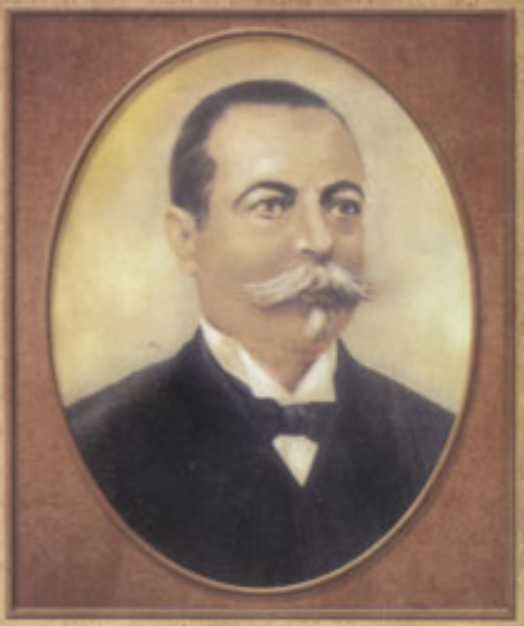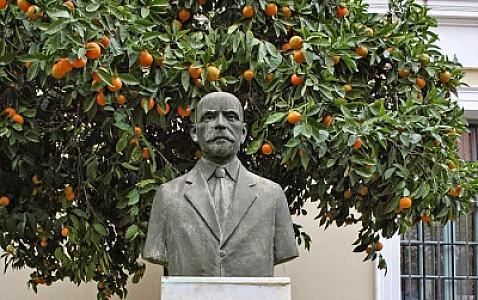
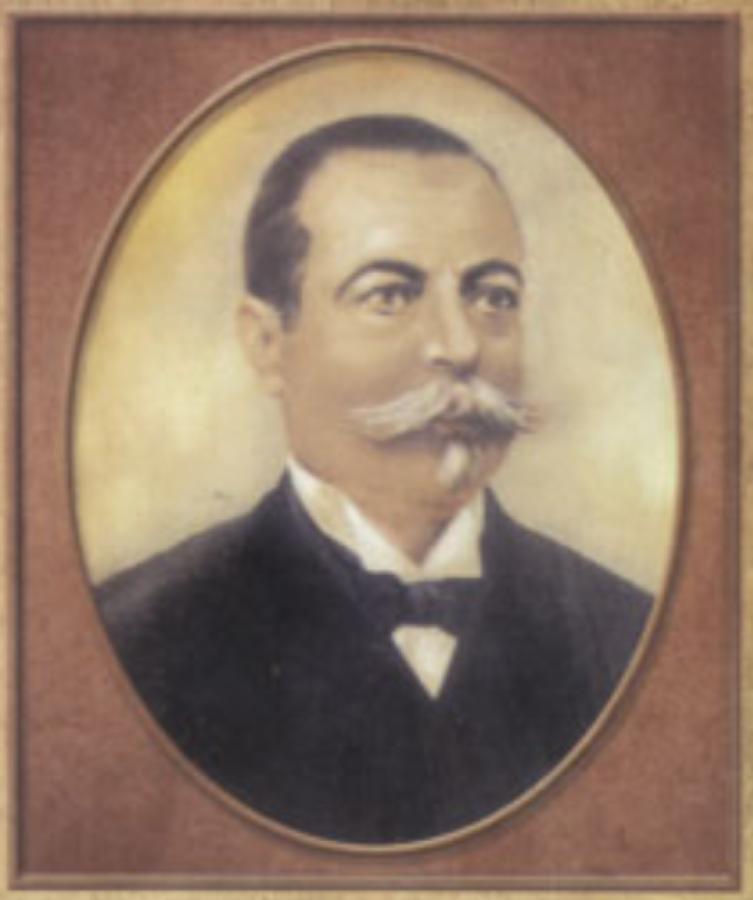
George I. Papamastorakis
George I. Papamastorakis (1863-1917) stands as a pivotal figure in the annals of Cretan history, embodying the spirit of political determination and national identity during a tumultuous era. Born in Viannos, his journey into politics began with a fervent commitment to the Cretan cause, which was marked by his involvement in the formulation of a new constitution in 1906, a significant step that replaced the outdated framework established in 1899.
Political Career and Achievements
Elected as a deputy for Lassithi representing the National Party of Michelidakis, Papamastorakis quickly established himself as a prominent political leader, being re-elected in 1907. His ascent continued as he assumed the role of President of the Government and Minister of Justice, later serving as the Interior Minister. In 1908, Papamastorakis became the head of the Executive Committee, akin to the Prime Minister of Crete. One of his notable achievements was the introduction of the Agricultural Police Law, which aimed to modernize agricultural practices and improve the livelihoods of Cretan farmers.
Driven by the passionate slogan "Union or Death," Papamastorakis worked tirelessly alongside the Greek government led by Georgios Theotokis. Their joint efforts culminated in a historic resolution in September 1908, which declared the union of Crete with Greece, following widespread rallies that echoed the desires of the Cretan people. However, the realization of this union faced significant obstacles due to threats of war from the Ottoman Empire.
- In 1910, Papamastorakis was elected as one of five Cretan deputies in Attica and Boeotia, a move that heightened tensions with Turkey and garnered European attention through media coverage.
- Following the resignation of Eleftherios Venizelos in 1910, Papamastorakis persisted in advocating for Cretan integration into the Greek Parliament.
- On May 19, 1912, he led a delegation of Cretan deputies demanding acceptance into the Greek Parliament, an effort that, despite initial rejection, ultimately succeeded in October 1912 when Venizelos granted them entry.
The culmination of Papamastorakis's relentless efforts came to fruition on December 1, 1913, when the long-sought union was officially realized. His remarkable contributions to the liberation of Crete and the successful integration of the island into Greece did not go unnoticed. In recognition of his invaluable service, he was honored with the esteemed Golden Cross, a testament to his enduring legacy in the fight for Cretan autonomy and national unity.
Gallery